(UN)LEARNING TOGETHER
REIMAGINING WHAT IT MEANS TO "DO GOOD"
Meet the (Un)learning companions -CUL 2
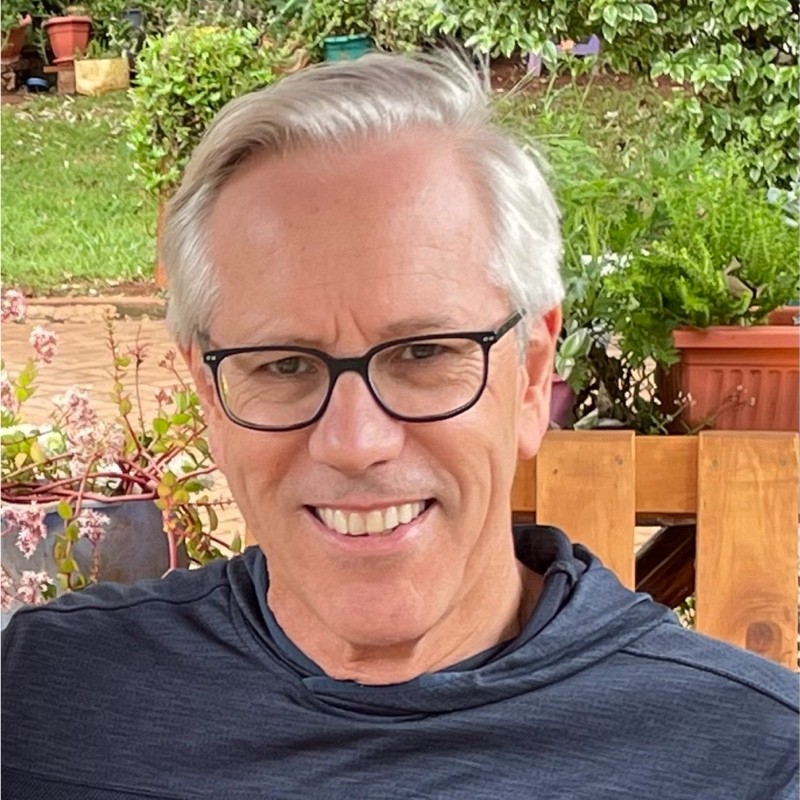
Jim Thomas
https://www.jcthomas.org/
Professor James Thomas is an emeritus professor at the University of North Carolina, author of But I Meant Well. Founder of Africa Rising, a mutual-aid network in East Africa

Eric Onyango
https://www.linkedin.com/in/eric-onyango/?isSelfProfile=false
International development practitioner, arts manager, poet and author of Poèmotions II: Catharsis of Love, with experience across youth-led programming, SRHR, and cultural practice in Africa.

Sarah Pacutho
https://www.linkedin.com/in/sarah-pacutho-b571ab41/?isSelfProfile=false
Social impact entrepreneur and development practitioner; Founder and Vision Lead of Community Catalyst Uganda, with expertise in community-led development, local fundraising, resource mobilisation, governance, and civic engagement.

Deborah Brown Majekodunmi
https://deborahbrown.eu/press-kit/
Institutional funding specialist, social entrepreneur, and founder of Beyond Grants, with over a decade of experience in funding strategy, resource mobilisation, and sustainable income across humanitarian and development contexts.
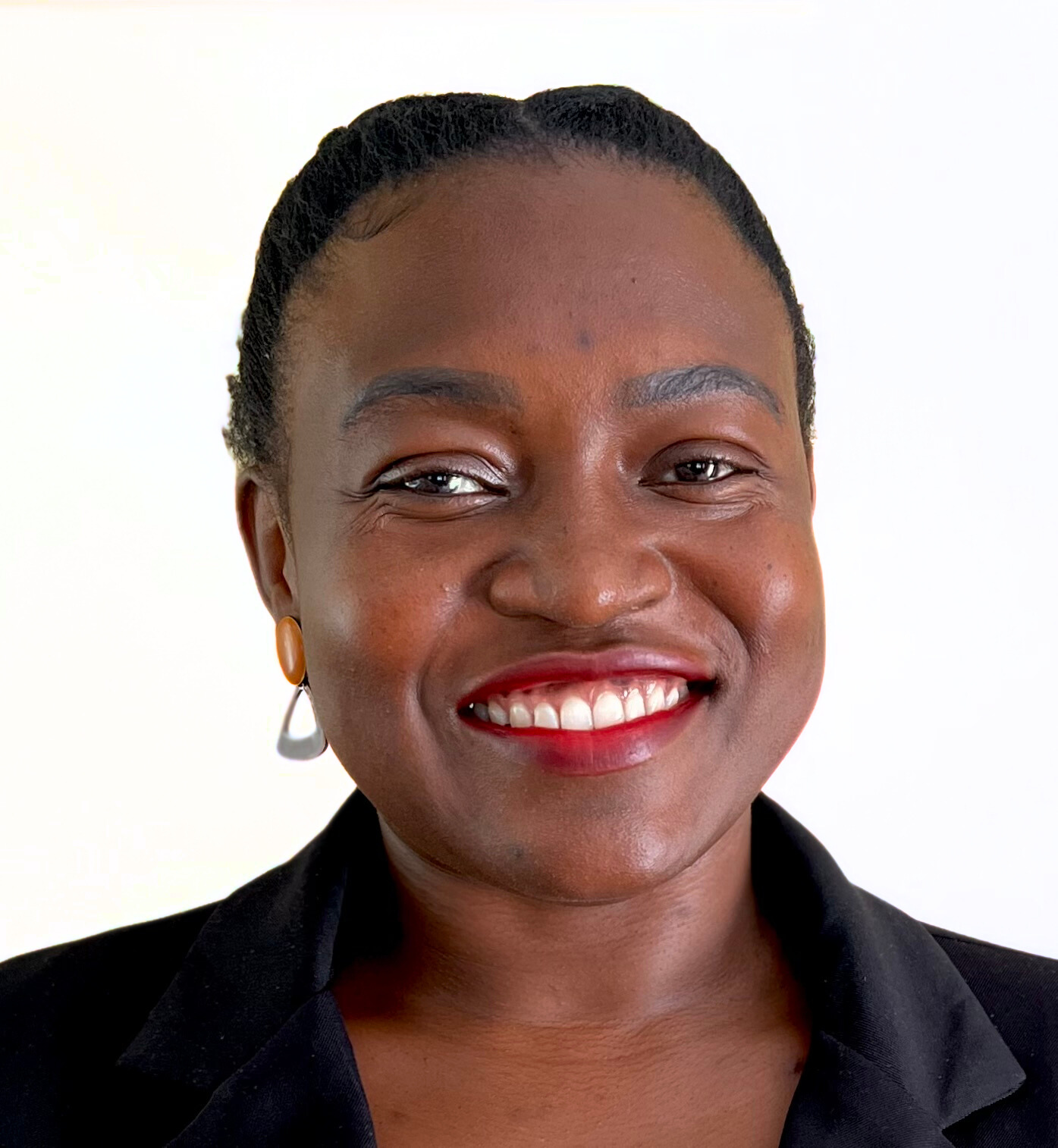
Imelda E. Akurut
www.linkedin.com/in/imelda-e-akurut-933650b9
Health economist, public health practitioner, and co-founding Steward of the Philanthropy Reform Alliance (PRA), working at the intersection of global health, philanthropy reform, and systems change to shift power closer to communities.
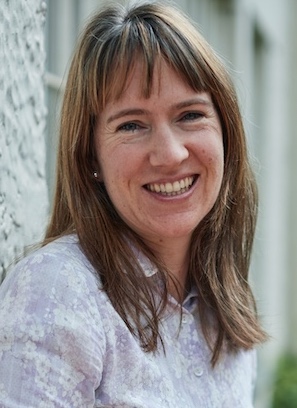
Torrey Peace
https://www.linkedin.com/in/torrey-peace-6071b612/?isSelfProfile=false
Leadership coach and trainer supporting humanitarian and development leaders to shift from reactive management to coaching-based, accountable, and sustainable leadership. Founder of Aid for Aid Workers and host of The Modern Humanitarian and Development Leader podcast.

Naaima Khan
https://creategood.space
Equity and justice practitioner and founder of Create Good, supporting organizations to challenge colonized frameworks through decolonized strategy, evaluation, learning, facilitation, and storytelling rooted in community power.