Beyond Good Intentions: Why PRA Exists
| ||
The Philanthropy Reform Alliance (PRA) is an Africa-led initiative founded by development practitioners who believe that transforming development requires more than good intentions, better policies, or new funding models. It requires a deeper examination of how power, relationships, decisions, and everyday practices shape the way development is experienced.
PRA was inspired in part by the insight from Professor James Thomas’s But I Meant Well: Unlearning Colonial Ways of Doing Good: that good intentions do not automatically lead to good outcomes when the systems, assumptions, and behaviours behind them remain unchanged.
Across the development and humanitarian sectors, commitments to equity, localisation, partnership, and the Sustainable Development Goals continue to grow. Yet a gap remains between policy ambition and lived reality. Many communities closest to the challenges still have limited influence over the decisions, resources, and systems that affect their lives.
At the same time, the sector is facing financial pressure, rising demands for sustainable impact, and growing calls for locally led and contextually grounded solutions. This creates both urgency and opportunity to rethink not only how development is funded, but how it is practised.
PRA exists to bridge the gap between intention and practice.
We create spaces for reflection, unlearning, accompaniment, and practice-based learning that help practitioners and institutions examine how development systems function in real life — and begin shifting them toward greater trust, solidarity, equity, and local leadership.
At the heart of our work is a simple belief: systems are made of people. They are designed, maintained, and reproduced through everyday choices, assumptions, behaviours, incentives, and institutional cultures. This is why PRA focuses on practitioners. To change systems, we must also change how the people within them think, relate, decide, fund, partner, and lead.
|
|
.jpeg)

Our Mission

Our Vision
Our Ethical Foundation

Humility
We can be part of unequal systems without intending harm.
Specificity
We will name the policy, process, incentive or behavior — not only speak in generalities.
Reciprocity
We ask how accountability flows back to the people and communities in whose name we act.
Non-Extraction
People, communities, stories and knowledge are not raw material for our learning. We do not extract experiences, stories or knowledge for our own benefit, recognition or institutional learning without considering consent, ownership, reciprocity and accountability.
Shift in Practice
We will connect reflection to a concrete shift in behaviour, process, resource or decision-making power.
Practice What We Preach
PRA holds itself to the same standards it advocates for: transparency, shared ownership, community accountability, and continuous self-reflection are non-negotiable features of our own organizational culture.
We believe meaningful change begins with honesty, is sustained through trust, and is driven by those closest to the work.
Our Approach
Surface
Make the familiar visible: Notice and name assumptions, beliefs, behaviours, relationships, and institutional practices we have come to see as normal
Disrupt
Question what we have learned to accept. Interrogate the assumptions and practices that reproduce unequal power, extraction, hierarchy, and dependency. Create space to question what we have inherited, whose interests it serves, and what we may need to let go of.
Reframe
Explore alternative ways of relating, partnering, leading, and making decisions grounded in trust, solidarity, and local leadership.
Enable Practice Change
Translate reflection into action through shifts in behaviors, systems, relationships, and institutional practice.
What Success Looks Like
For PRA, success is not only structural reform. It is also seen in the quieter but meaningful shifts that change how development is understood, practised, and experienced.
Success looks like practitioners and institutions becoming more conscious of how power, privilege, incentives, and institutional norms shape decisions and partnerships.
It looks like more honest conversations about trust, accountability, risk, knowledge, and local leadership.
It looks like changes in everyday practice: whose voice is heard, whose knowledge is valued, how decisions are made, how partnerships are held, and how resources are shared.
Ultimately, PRA works toward a development ecosystem shaped by:
Solidarity over charity
Partnership over patronage
Community leadership over external control
PRA Secretariat
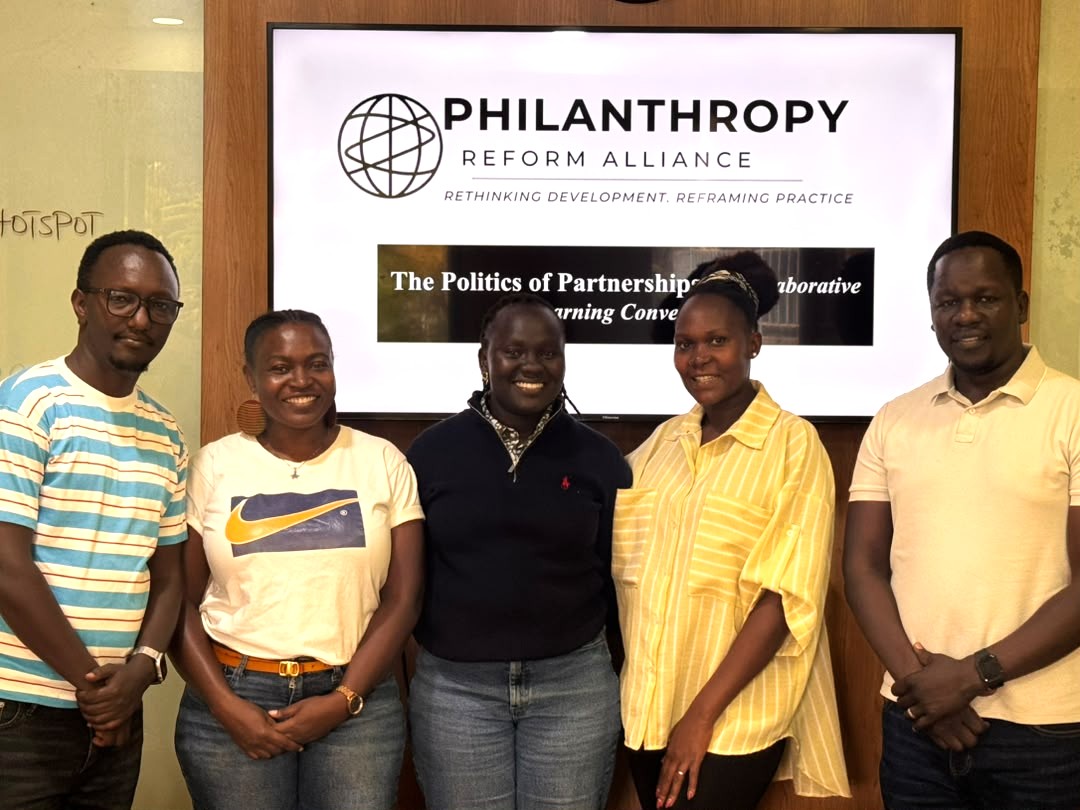
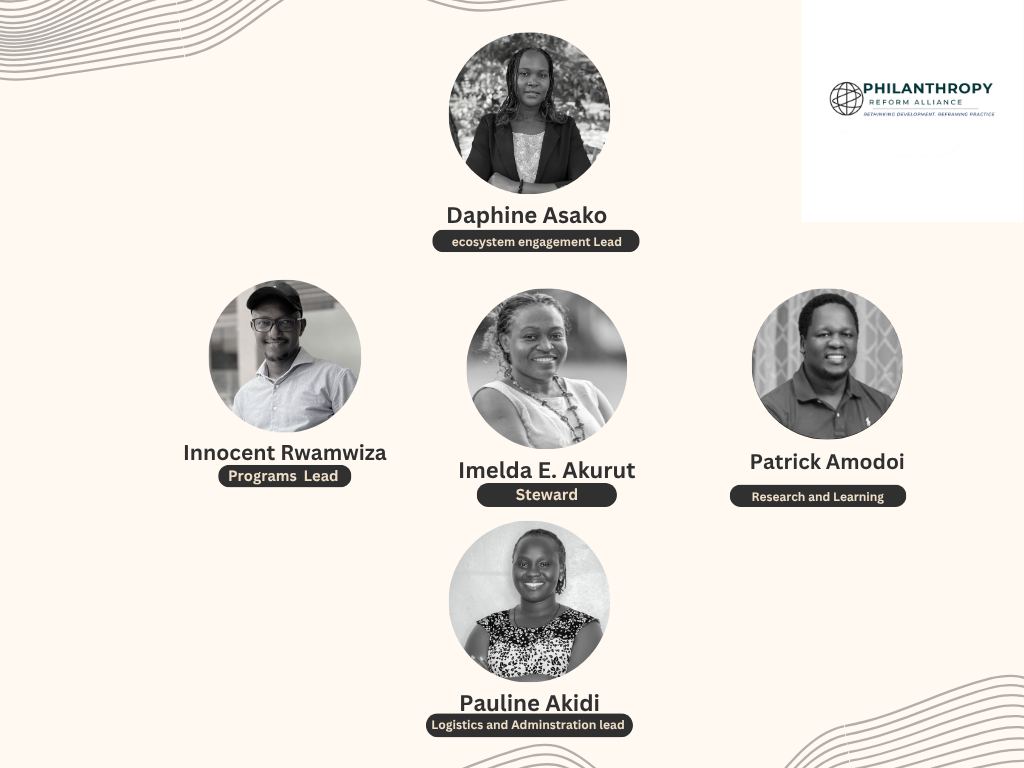
The PRA Secretariat holds and stewards the day-to-day work of the Philanthropy Reform Alliance. We are a small team committed to creating spaces for unlearning, building solidarity-based partnerships, strengthening locally led organisations, and reimagining how philanthropy and development practice can be rooted in trust, humility, and shared power.
Meet the Unlearning Companions

Prof. James Thomas
Academia
Global health, social epidemiology, public health ethics
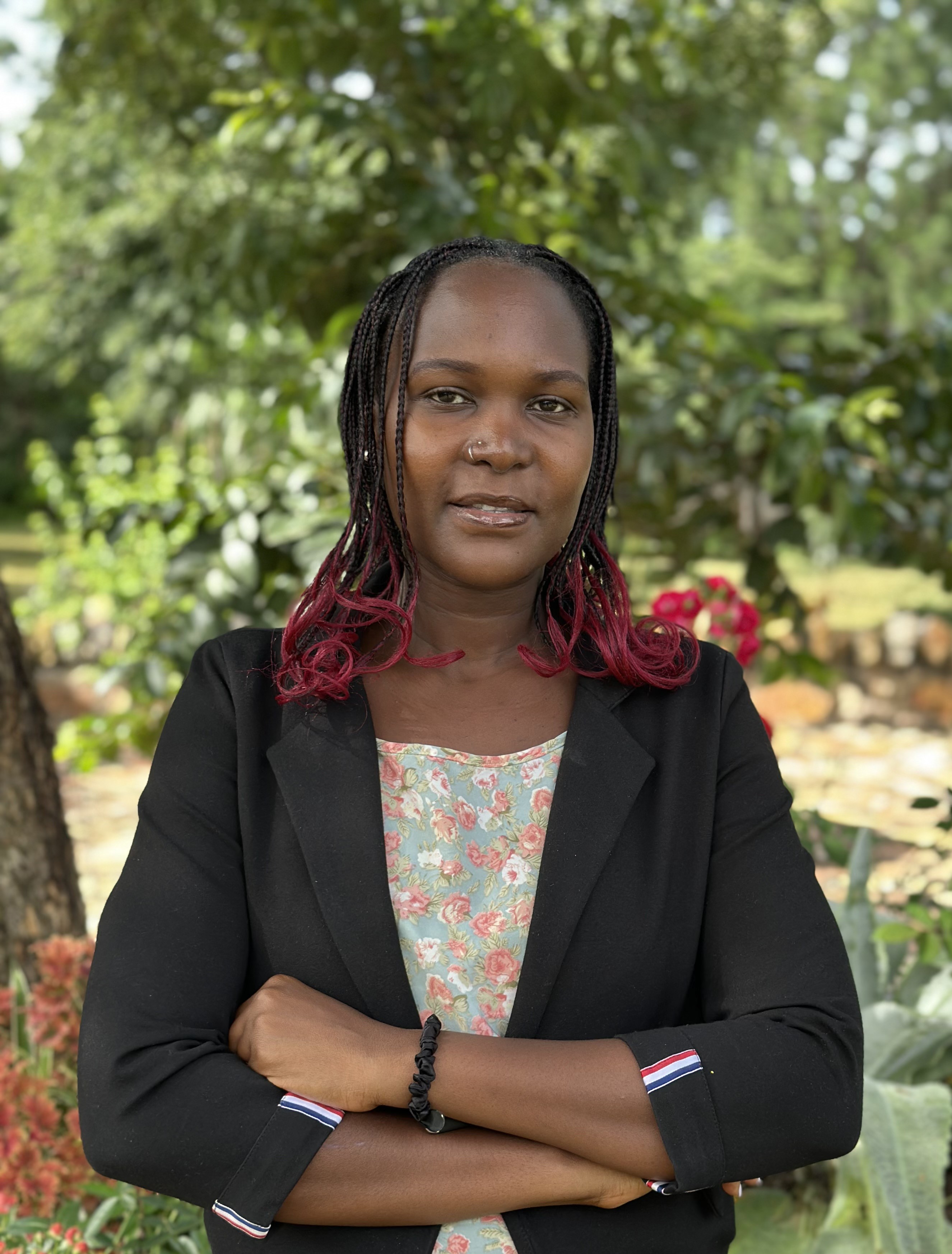
Asako Daphine
Local Government
Public Health

Torrey Peace
Consulting
Leadership and Organizational development
.jpg)
Matthew Ainomugisha
NGO|CSO
Youth Empowerment & Social Equity

Adams Sabogu PhD
Research/Academia
power and gender in governance

Pauline Angioletta Akidi
Social Enterprise
Water Resources, Climate Change & Sustainability
.jpg)
Dr. Ashiraf Mugalula
Academia| CSO
Youth Development/ Gender / Governance

Imelda E. Akurut
INGO | Philanthropy | Networks
Health Economics, Policy & Sustainable Development

Innocent Rwamwiza
INGO/Networks/Philanthropy
Project Management, Partnerships and Sustainable development

Katherine Zavala
Grant Making | Solidarity Philanthropy

Eric Onyango
Localisation & Gender Equality

Sarah Pacutho
Social Impact Entrepreneur, Catalyst of Communities. The Contemporary Native

Naaima Khan
Decolonising evaluation, organisational strategy and power,

Deborah Brown Majekodunmi
Funding Strategy & Income Diversification | Institutional & Multilateral Partnerships
Collaborators


